
Ramadan Awareness Guide for the Sports Sector
Sport Diversity Cymru has developed a Ramadan Awareness Guide for organisations and individuals within the sports sector.
The guide provides sports organisations with practical guidance on how to support athletes, coaches, volunteers and staff who observe Ramadan, taking place from 18 February until 18 March 2026. It is designed for all sports and is adapted from broader workplace and sector-specific best practice.
WHAT IS RAMADAN?
Ramadan is the ninth month of the Islamic lunar calendar. Muslims fast daily from dawn until sunset, abstaining from food, drink, smoking and other physical needs. In addition to fasting, Ramadan involves increased prayer, charity, reflection and community engagement.
Fasting does not apply to those who are ill, pregnant, breastfeeding, menstruating, travelling or medically exempt.
HOW RAMADAN MAY AFFECT PARTICIPATION IN SPORT
- Reduced energy levels, especially late afternoon.
- Dehydration risk due to no fluid intake during daylight hours.
- Changed sleep patterns from early morning meals and late-night prayers.
- Adjusted routines, training times and recovery practices.
SUPPORTING MUSLIM COLLEAGUES WORKING IN THE SPORTS SECTOR
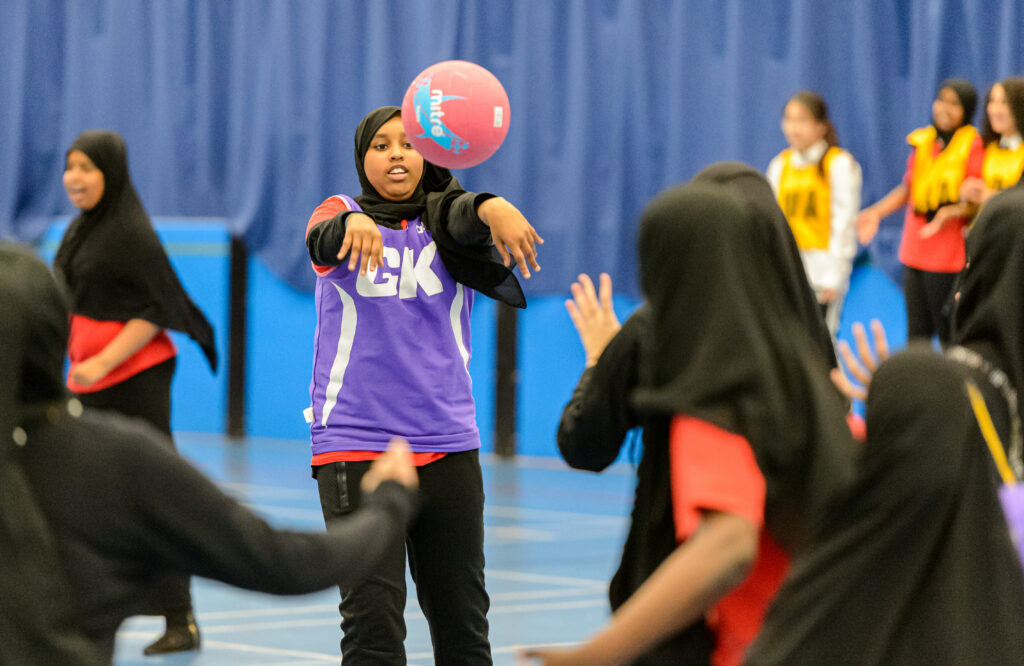
Sports sector staff – such as coaches, administrators, physios, event staff, analysts and facility staff may also observe Ramadan. Consider the following:
Awareness and Sensitivity
- Ramadan may be noticeable (e.g., no eating/drinking during the day). Some colleagues may experience tiredness or reduced concentration.
- Avoid assumptions – some Muslims may not fast due to exemptions.
Workload and Scheduling
- Avoid scheduling long meetings or demanding tasks in the afternoon.
- Allow flexibility with working hours, especially during early mornings after Suhoor or late nights after prayers.
- Offer options for remote work where possible.
Breaks and Prayer Needs
- Provide short breaks for prayer throughout the day.
- Ensure staff are aware of available prayer/quiet rooms.
- Do not schedule mandatory staff social events involving food during fasting hours.
Leave Requests
- Some colleagues may request leave during the last 10 nights of Ramadan.
- Eid-ul-Fitr may require short-notice leave due to moon-sighting variability.
Communications and Inclusion
- Share internal Ramadan guidance via newsletters or intranet.
- Use appropriate greetings such as “Ramadan Mubarak” and “Eid Mubarak”.
- Encourage a respectful and supportive environment.
KEY CONSIDERATIONS FOR SPORTS ORGANISATIONS
Awareness and Education
- Provide Ramadan awareness training for staff, coaches and volunteers.
- Share information through newsletters or briefings.
Scheduling and Training Adjustments
- Avoid intense sessions during peak fasting hours.
- Consider early morning or evening training after sunset.
- Allow additional breaks if sessions occur during fasting.
Prayer and Faith Requirements
- Provide a clean, private space for players and staff to pray.
- Be aware of fatigue due to late-night Taraweeh prayers.
Competitions, Fixtures and Events
- Avoid scheduling competitions during fasting where possible.
- Allow athletes to break their fast by pausing activity at sunset.
NUTRITION AND ATHLETE WELLBEING
- Support balanced meals at Suhoor and Iftar.
- Allow hydration and nutrition before evening sessions.
- Encourage rest, stretching, recovery and wellbeing practices.
COMMUNITY AND INCLUSION
- Engage with local Muslim communities.
- Consider hosting inclusive community Iftar events.
- Share educational resources to promote understanding.
SUMMARY
Ramadan may impact training, scheduling and energy levels but does not prevent participation. Flexibility, awareness and communication ensure athletes and staff feel valued and supported.



















 English